


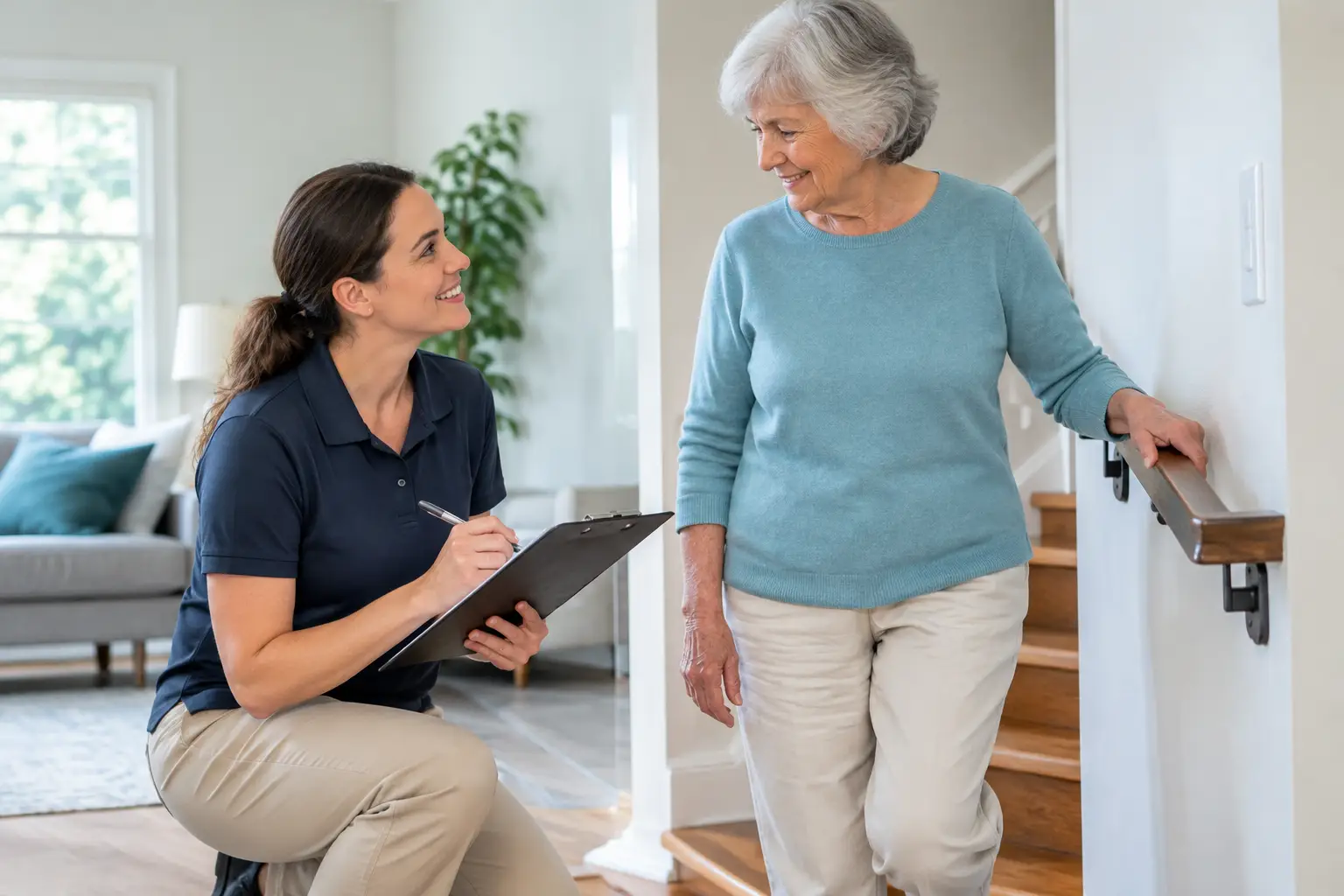
A loose bathroom rug, a missed evening dose, or a favorite chair that has become difficult to rise from can change a family’s sense of security quickly. Home safety assessments bring those quiet concerns into view before a small hazard becomes a fall, a health setback, or an emergency that disrupts a loved one’s routine.
For older adults and people living with chronic conditions or disabilities, safety at home is not about making every room look clinical. It is about preserving the familiar comforts of home while putting thoughtful support around the moments that now require more strength, balance, memory, or confidence. The goal is simple: help a loved one continue living with dignity and as much independence as possible.
What Home Safety Assessments Look For
A meaningful assessment looks beyond obvious trip hazards. It considers how a person moves through the home, manages personal care, takes medication, prepares meals, responds to an urgent need, and feels emotionally within their daily environment.
The best place to begin is with a normal day. Notice what happens when your loved one gets out of bed, moves to the bathroom, reaches for clothing, makes coffee, answers the door, or settles in for the evening. A home can appear tidy and still present real challenges if lighting is dim, pathways are narrow, or frequently used items are stored too high or too low.
Safety also depends on the person, not just the property. Someone recovering from surgery may need temporary support around bathing and mobility. A person with dementia may need a different plan for medication, stove use, and wandering prevention. Someone experiencing depression or anxiety may be physically safe but increasingly isolated, less attentive to meals, hygiene, or appointments. A compassionate assessment recognizes the whole person and their journey.
Start With the Places Where Falls Happen
Falls often occur during ordinary transitions: standing from a chair, turning in a hallway, stepping into the shower, or walking to the bathroom at night. This is why a safety review should focus on how easily your loved one can move, not only whether the floors are clean.
Entryways, halls, and living spaces
Clear walking paths are essential. Look for extension cords, low tables, pet toys, curled rug corners, uneven flooring, and furniture arranged too closely together. A person using a walker, cane, or wheelchair needs enough room to move without twisting, squeezing sideways, or holding onto unstable furniture.
Good lighting matters more than many families realize. Shadows near stairs, a dark hallway, or a lamp that requires reaching behind furniture can increase risk. Nightlights between the bedroom and bathroom can be helpful, especially for someone who wakes frequently or feels unsteady after sleeping.
Pay attention to chairs and beds as well. A beloved recliner may be comfortable but difficult to exit safely. A bed that is too high, too low, or surrounded by clutter can make morning and nighttime routines harder than they need to be. The right adjustment may be as simple as changing furniture placement, adding a stable bedside surface, or arranging regular assistance at the times help is most needed.
Bathrooms and personal care routines
Bathrooms deserve special attention because water, hard surfaces, and limited space create a higher risk of injury. Non-slip surfaces, secure grab bars installed in appropriate locations, a shower chair, and an accessible hand-held showerhead may make bathing safer and less exhausting.
Yet equipment is only one part of the answer. Consider whether your loved one can safely step over the tub edge, turn while drying off, manage clothing, and reach towels and toiletries without bending or stretching. If bathing has become stressful, rushed, or avoided altogether, personal care support can protect both safety and self-respect.
Kitchens and meals
The kitchen can reveal changes that families do not always see during a short visit. Check whether commonly used dishes, food, and cookware are easy to reach. Look for expired foods, spoiled leftovers, stove burners left on, or signs that meals are being skipped because preparation feels too difficult.
Not every concern requires removing independence. For some people, reorganizing shelves, preparing ingredients ahead of time, or choosing simpler meals is enough. For others, help with meal preparation and companionship during meals can support better nutrition while easing loneliness.
Review Medication and Health Routines With Care
Medication management is one of the most personal parts of home safety. Missed doses, double doses, confusing pill bottles, and trouble obtaining refills can all have serious consequences. At the same time, families should avoid assuming that a loved one is incapable simply because a routine has become harder.
Observe the system currently in place. Are medications sorted clearly? Does your loved one understand what each medication is for? Are there reminders that work for their memory, vision, and schedule? Is someone noticing new side effects such as dizziness, confusion, sleepiness, or weakness that could increase fall risk?
A medication organizer or reminder may be useful, but it may not be enough when memory changes are progressing or several medications are taken at different times. In-home support can provide dependable reminders, observe concerning changes, and help families communicate more clearly with the broader care team. Medication changes should always be discussed with the prescribing clinician or pharmacist.
Appointments are part of the safety picture, too. Missed follow-ups, transportation difficulties, and a lack of support during medical visits can leave important needs unaddressed. Assistance with appointment coordination, transportation planning, and note-taking can help a loved one remain connected to their care.
Consider Emergency Readiness Without Creating Fear
A home safety plan should make emergencies easier to manage, not make daily life feel frightening. Start with practical questions: Can your loved one reach a phone? Do they know whom to call? Is the address visible for emergency responders? Are smoke detectors and carbon monoxide alarms working? Is there a plan for severe weather, power outages, or a sudden illness?
Keep emergency contacts and current medical information in a simple, easy-to-find location. If your loved one uses oxygen, mobility equipment, or other essential medical supplies, discuss backup needs with the appropriate providers. Families in San Antonio may also want to consider how heat, storms, and power interruptions could affect a person who is medically vulnerable.
Emergency planning should include emotional support. A person who lives alone may hesitate to call for help because they fear being a burden or losing control of their home life. Regular companionship and trusted caregiving support can make it easier to speak up early, when a problem is still manageable.
Signs It May Be Time for Added Support
A safety assessment is especially valuable when changes are gradual. Adult children may notice a few concerning details during visits, while a spouse may be doing more and more each day without recognizing how much their own energy has been stretched.
Consider additional support when you see several of these changes happening together:
- Recent falls, near-falls, unexplained bruises, or new fear of walking alone
- Missed medications, duplicate prescriptions, or difficulty keeping up with refills
- Declining hygiene, laundry, housekeeping, or meal preparation
- Noticeable weight loss, dehydration, unopened mail, or unpaid bills
- Increased isolation, anxiety, sadness, confusion, or withdrawal from favorite routines
These signs do not automatically mean a loved one must leave home. Often, they mean the care plan needs to change. A few hours of help with bathing, meals, errands, or medication reminders may restore confidence. In other situations, overnight supervision or 24-hour care may be the safer choice. The right level of support depends on health needs, family availability, the home environment, and the person’s own wishes.
Make Changes With Respect, Not Takeover
Even well-intended safety changes can feel like a loss if they are imposed without conversation. Whenever possible, include your loved one in decisions. Ask what feels difficult, what parts of the day they want to keep doing themselves, and what kind of help would feel respectful.
Small choices matter. A person may welcome help with showering but prefer to choose their own clothing. They may need medication reminders but still want to prepare breakfast independently. These preferences help shape a plan that protects safety without taking away purpose.
At Viva Life Home Health Agency, this person-centered approach reflects Platinum Care with the Grace of Doves: professional support delivered with tenderness, clear communication, and regard for each client’s dignity. A thoughtful assessment can lead to a customized plan that changes as needs change, giving families reliable support without turning a loved one’s home into an institution.
If you are noticing new risks, begin with a calm conversation and one room at a time. The most caring next step is often not a dramatic change. It is a little more light in the hallway, a steadier hand during a shower, a reminder at the right time, and the reassurance that no one has to carry the journey alone.



Leave a Reply