


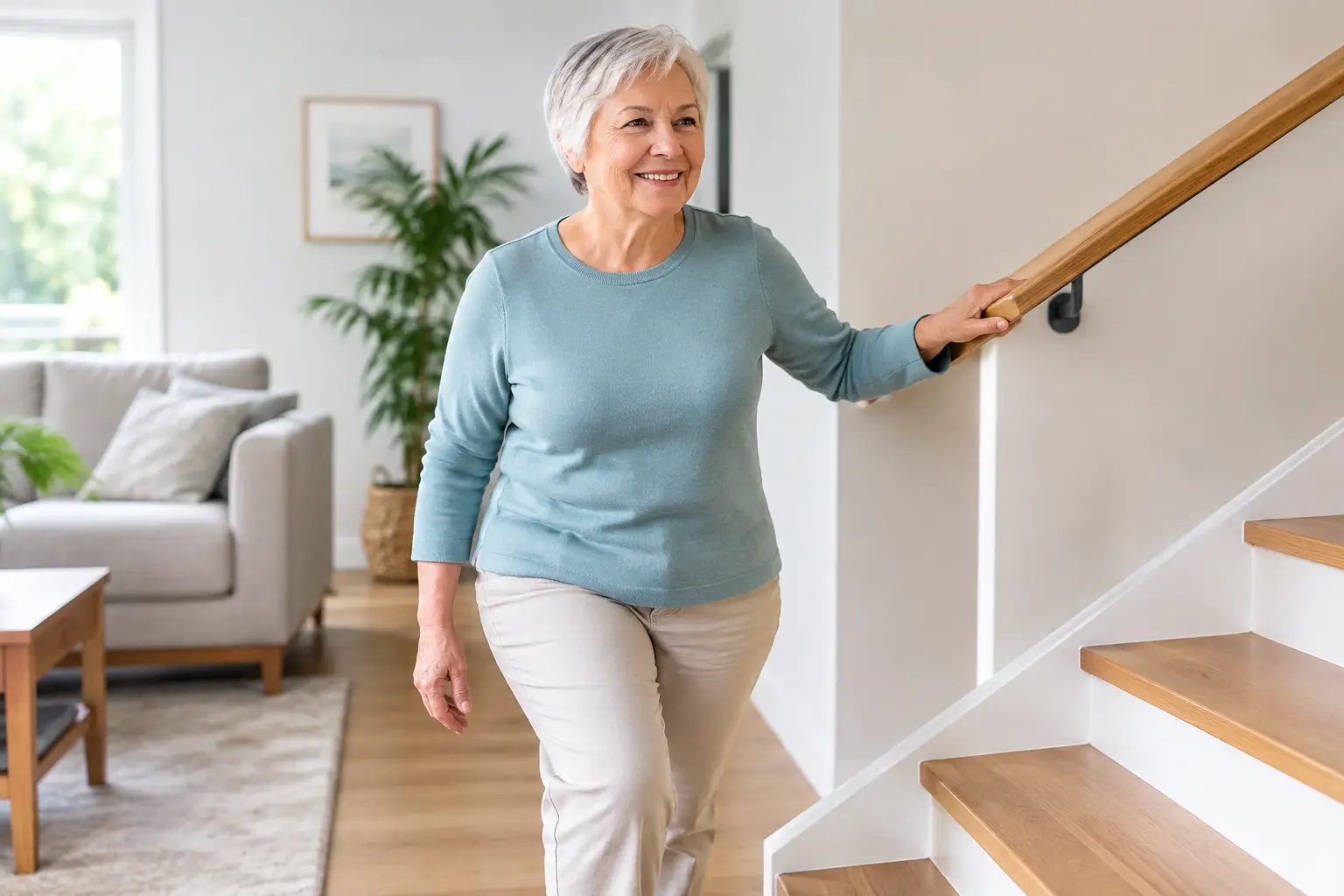
A fall can change a family’s sense of security in seconds. A loose rug, a dim hallway, a rushed trip to the bathroom, or a moment of dizziness may seem small until someone is hurt. Learning how to prevent falls at home is not about taking away a loved one’s independence. It is about protecting the freedom to live comfortably and confidently in the place they know best.
For older adults and people managing chronic conditions, mobility changes, medication side effects, or vision concerns, fall prevention works best when it becomes part of daily life. The goal is not to make a home feel clinical or restrictive. It is to make every room easier to move through, every routine more secure, and every person feel supported with dignity.
Start With the Places Where Falls Happen Most Often
Most home falls are not caused by one dramatic hazard. They often result from several manageable details happening at once: poor lighting, clutter, unstable footwear, fatigue, or trying to carry too much. Begin by walking through the home slowly, ideally at the time of day when your loved one usually moves through it.
Pay special attention to the path from the bedroom to the bathroom, the kitchen, entryways, stairs, and any area where a person changes from one surface to another. A small threshold, a curled rug corner, or a pet resting in a familiar walkway can become a serious obstacle when balance is limited.
Keep floors clear of cords, papers, baskets, and low furniture. Remove throw rugs that slide or curl at the edges. If a rug is meaningful or necessary, secure it firmly with non-slip backing and check it regularly. Arrange furniture so there is a wide, predictable path through each room, especially around the bed and between favorite chairs.
Lighting deserves the same attention. Bright, even light helps a person notice changes in flooring, steps, and objects in their path. Use night-lights in bedrooms, hallways, and bathrooms, and place lamps or light switches within easy reach of the bed and favorite seating areas. Motion-sensor lights can be helpful for someone who gets up during the night, though the right choice depends on whether sudden light feels reassuring or disorienting.
How to Prevent Falls at Home in the Bathroom
Bathrooms combine hard surfaces, water, tight spaces, and quick movements. They are one of the first places families should address when considering how to prevent falls at home.
Install sturdy grab bars near the toilet and inside the shower or tub area. Towel bars are not designed to hold body weight, even if they appear secure. A non-slip mat or adhesive strips in the tub can improve footing, while a bath mat with a non-skid backing helps reduce slipping outside the shower.
A shower chair and handheld showerhead may make bathing less tiring and more controlled for someone who becomes weak, dizzy, or unsteady while standing. A raised toilet seat can also reduce the effort of sitting and standing. These changes should fit the person’s height, strength, and usual routine. Equipment that is poorly placed or difficult to use can create a new hazard instead of solving one.
Encourage unhurried bathroom trips. Keeping needed toiletries within easy reach reduces bending, stretching, and turning on wet floors. If nighttime urgency is common, a clear route, accessible lighting, and appropriate support can make a meaningful difference.
Support Safer Movement Throughout the Day
A safer home is only one part of fall prevention. Strength, balance, vision, footwear, hydration, and medication routines all affect how safely someone moves.
Encourage your loved one to rise slowly after lying down or sitting for a long time. Some people experience lightheadedness when standing, particularly in the morning or after taking certain medications. Sitting at the edge of the bed for a moment before standing can provide time to regain balance. If dizziness is frequent, new, or worsening, contact the person’s healthcare provider promptly.
Shoes should have supportive soles, secure heels, and a comfortable fit. Slippers without backs, loose socks, and worn-down shoes can make it easier to slip or catch a foot on the floor. For many people, keeping supportive indoor shoes by the bed is a simple but effective habit.
Movement remains valuable, even when mobility is limited. A provider-approved exercise program, physical therapy, chair exercises, or regular walking can help maintain leg strength and balance. The right activity depends on the individual’s health, pain level, and abilities. A person who has recently fallen, feels weak, or uses a new mobility aid should not be pushed into exercises without professional guidance.
Review Medications, Vision, and Health Changes
Sometimes a fall risk begins with a health change that is easy to miss. New medications, changes in dosage, dehydration, low blood pressure, blood sugar shifts, infections, or sleep difficulties can affect alertness and balance. Keep an updated medication list and ask a physician or pharmacist to review it if there are concerns about drowsiness, dizziness, confusion, or unsteadiness.
Medication management can be especially important when several prescriptions are taken at different times of day. A missed dose or accidental double dose may increase risk. Organized reminders and knowledgeable assistance can help a loved one follow the prescribed schedule without feeling overwhelmed.
Vision and hearing changes also matter. Schedule regular eye exams, keep glasses clean and within reach, and avoid moving furniture without telling the person who uses the space. Familiarity helps people move safely. If a loved one has trouble seeing contrast, consider using clearly visible tape on step edges or choosing furniture and flooring that do not blend together.
Watch for changes in walking, mood, memory, or confidence. Someone who begins holding onto furniture, avoids stairs, stops bathing regularly, or becomes afraid to leave a room may be signaling that daily tasks no longer feel safe. These signs deserve compassion, not criticism.
Make a Personal Plan After Any Fall or Near-Fall
A fall does not always cause an obvious injury, but it should never be dismissed as simple clumsiness. After a fall, seek urgent medical attention for a head injury, severe pain, inability to stand, bleeding, new confusion, or any concern that the person may be seriously hurt. Even when no injury is apparent, notify the healthcare provider, particularly if falls or near-falls are recurring.
Try to understand what happened without blame. Was the room dark? Did the person feel faint? Were they rushing to the bathroom? Did a walker or cane fail to provide enough support? The answers can guide practical changes and help prevent another incident.
It is also wise to create a simple response plan. Keep a phone or personal alert device within reach, especially overnight. Make sure emergency contacts are current and that family members know who will check in when a loved one is recovering from illness or has had a recent change in mobility.
When Extra Support Brings Peace of Mind
Families often try to manage every safety concern alone until exhaustion sets in. Yet help at home can preserve independence rather than reduce it. A compassionate caregiver can assist with bathing, dressing, meal preparation, light mobility support, medication reminders, and safe transportation to appointments. Just as importantly, consistent companionship can reduce the isolation and anxiety that sometimes lead people to take unnecessary risks.
The level of support should reflect the individual, not a one-size-fits-all schedule. One person may benefit from a few hours of help during morning routines, while another may need regular supervision after a hospitalization or around-the-clock care. For San Antonio families, Viva Life Home Health Agency creates personalized care plans centered on comfort, dignity, and the routines that make home feel like home.
Preventing falls is an act of grace: noticing what has become difficult, making thoughtful adjustments, and ensuring a loved one does not have to face daily risks alone. With attentive planning and the right support, home can remain a place of healing, confidence, and true peace of mind.




Leave a Reply